
Vestibular Disease in dogs, often nicknamed “Old Dog Vestibular Syndrome” or “Old Dog Syndrome”, occurs when something affects the vestibular system of a dog’s inner ear. This system controls balance, movement, and posture, so when it’s disrupted, it can significantly affect your dog’s ability to move and function normally.
🐶
What Causes Vestibular Disease in Dogs?
There are several potential causes of Vestibular Disease in dogs, including:
- Ear infections – Both inner and middle ear infections.
- Injuries – Trauma or direct injury to the head or face.
- Tumours – Growths or masses within the inner ear or around the brainstem.
- Idiopathic causes – Meaning the cause is unknown (this is the most common type).
- Other health issues – Such as hypothyroidism.
Your vet will likely run diagnostic tests to try and identify the root cause. If it’s something treatable, like an ear infection, resolving that condition will often cure the Vestibular Disease as well.
🩺
Symptoms of Vestibular Disease in Dogs.
Dogs with Vestibular Disease may show the following symptoms:
- Difficulty standing or walking – Wobbliness, staggering, or falling over. Difficulty transitioning from sitting/lying down to standing.
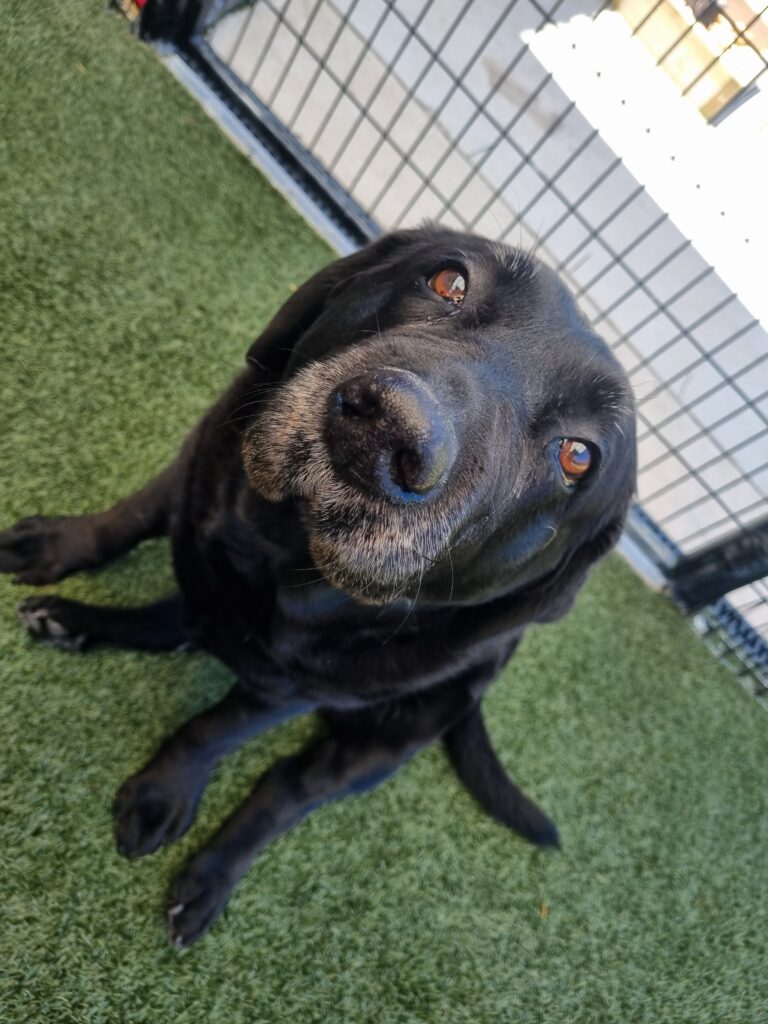
- Head tilt – The head may tilt to one side, either occasionally or constantly.
- Rapid eye movement (Nystagmus) – Involuntary eye movements, either back and forth or in a circular motion.
- Walking in circles – Dogs may pace in a circle, usually in the direction their head is tilted.
- Disorientation – Struggling to navigate familiar spaces; appearing confused.
- Nausea and loss of appetite – Refusing food or water, sometimes accompanied by vomiting.
- Wide-legged stance – To maintain balance, dogs may stand with their legs farther apart than usual.
💊
How Is Vestibular Disease Treated?
The good news is that most cases of Vestibular Disease in dogs resolve within 2–3 weeks, especially if the cause is treatable. For instance, when an ear infection is treated, the vestibular symptoms usually clear up as well.
In Idiopathic Vestibular Disease (with no identifiable cause), dogs often recover on their own with rest and supportive care.
Vets may also prescribe medications during recovery, such as:
- Anti-nausea drugs
- Appetite stimulants
- Anti-inflammatory medications (if appropriate)
Some dogs may retain minor symptoms, like a head tilt, even after recovery, but most return to normal behaviour fairly quickly.
Vestibular Disease can appear suddenly and be frightening to witness, but it’s usually not life-threatening. It often points to another treatable condition, and with proper veterinary care, most dogs make a full recovery.
If your dog begins acting unusually or shows signs of Vestibular Disease, don’t wait—consult your vet as soon as possible. Early diagnosis and treatment can make all the difference.
🐾 Have you experienced Vestibular Disease with your dog? Share your story at our socials below to help support other pet parents going through the same experience!🤎
Facebook | Instagram
Check out more health blogs here!

