
Pack Leader; Dogs are naturally pack animals, no matter how many years we domesticate them for, their need for a calm and confident pack leader will always remain.
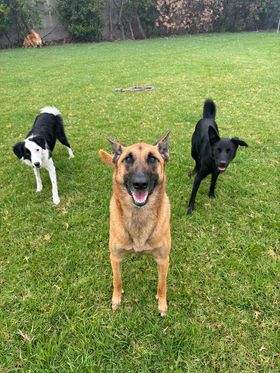
🐾 What Does It Really Mean to Be a Pack Leader?
Being the pack leader doesn’t mean yelling the loudest or running the fastest. It means providing calm, stable leadership that a dog naturally seeks out.
Although dogs have been domesticated for thousands of years, many of their natural instincts remain hardwired into their DNA. Dogs are naturally pack animals, and in a pack, they look for a calm, confident leader who sets boundaries and guides them through life.
Without a clear pack leader at home, your dog may naturally assume that role. However, since they haven’t been raised in the wild—or by a calm leader—they often don’t know how to handle that responsibility correctly. This can lead to unwanted behaviours like destruction, disobedience, and even aggression.
So, how do you become the calm and confident pack leader that your dog needs?
🧠 Think Like a Dog, Not a Human – Think like a Pack Leader
It’s easier than you think! The first step is shifting your mindset. One of the biggest mistakes dog owners make is treating their dogs like people. That doesn’t mean you shouldn’t love your dog or treat them as part of the family – but it does mean you need to understand that dogs don’t process thoughts and emotions like humans do.
For example, if you allow your dog to freely roam the house, jump on and off furniture at will, or ignore your commands, here’s how the situation might look from different perspectives:
- Human view: “They’re my baby! This is their house too – I love them!”
- Dog view: “I’m in charge. I don’t need to listen. I do what I want – at home, on walks, at the park, everywhere.”
🍽️ Establishing Boundaries at Mealtimes
Small changes in your daily routine can make a big difference.
Meal times are highly significant to pack animals. In the wild, the pack leader always eats first, and the rest of the pack eats in order of status.
👉 In your home, you should feed your dog after the humans have eaten. This reinforces your role as the leader and helps your dog understand their place in the “pack.”
🚶♂️ Walking: Who’s Leading Who?
Walks are another major indicator of leadership.
How your dog behaves before and during a walk can quickly reveal how they perceive their position in the pack. If your dog bolts out the door ahead of you, pulls on the leash, or walks far in front of you, they see themselves as the leader.
To change that:
- Always walk out the door or gate first.
- Keep your dog walking beside or behind you, not out front.
- Use a short or structured leash to maintain control and focus.
A dog leading the walk is calling the shots, which often leads to reactive or dominant behaviour. A dog allowed to call the shots is not confident can be come very anxious with this responsibility and an anxious dog is a bite risk!
🏡 Give Your Dog Their Own Space
nside your home, your dog should have a designated area that’s theirs alone, a space away from kids, other pets, or distractions. This acts as a calm, safe zone where your dog can relax and decompress.
This space should also be the place where they stay until invited onto the couch, bed, etc. Why?
- It reinforces boundaries and your role as leader.
- It provides mental and emotional stimulation. Staying in their space requires self-control and focus, which is beneficial for their behaviour and overall well-being.
😌 Calm Energy = Strong Leadership
Your dog will not follow your direction if you’re anxious, angry, or frustrated.
Dogs are extremely sensitive to human emotions. They pick up on your facial expressions, body language, tone of voice and even subtle changes in your scent caused by stress hormones.
If you want your dog to listen, you must lead with calm, confident energy. That’s when they’ll trust and follow your guidance.
💖 Leadership Is Love
Being a pack leader isn’t about being stern or harsh—it’s about creating a safe, calm environment where your dog feels secure. When your dog knows you’re in charge, they can relax and stop trying to take control of situations they don’t understand.
A calm, confident dog is less likely to develop behavioural problems, anxiety, or stress—and that contributes to a more peaceful, happy home for everyone.
✅ Fact Check Summary:
- ✔️ Dogs are pack animals by nature – True. Despite domestication, dogs still retain many pack-driven instincts.
- ✔️ Pack leaders eat first – True. In wild canine groups, leaders control food access.
- ✔️ Dogs lead walks if they’re in front – Generally true. Dogs in front often feel responsible for decision-making, which can result in reactive behaviour.
- ✔️ Dogs sense human emotions – True. Scientific studies confirm dogs can detect emotions through body language, voice, and scent.
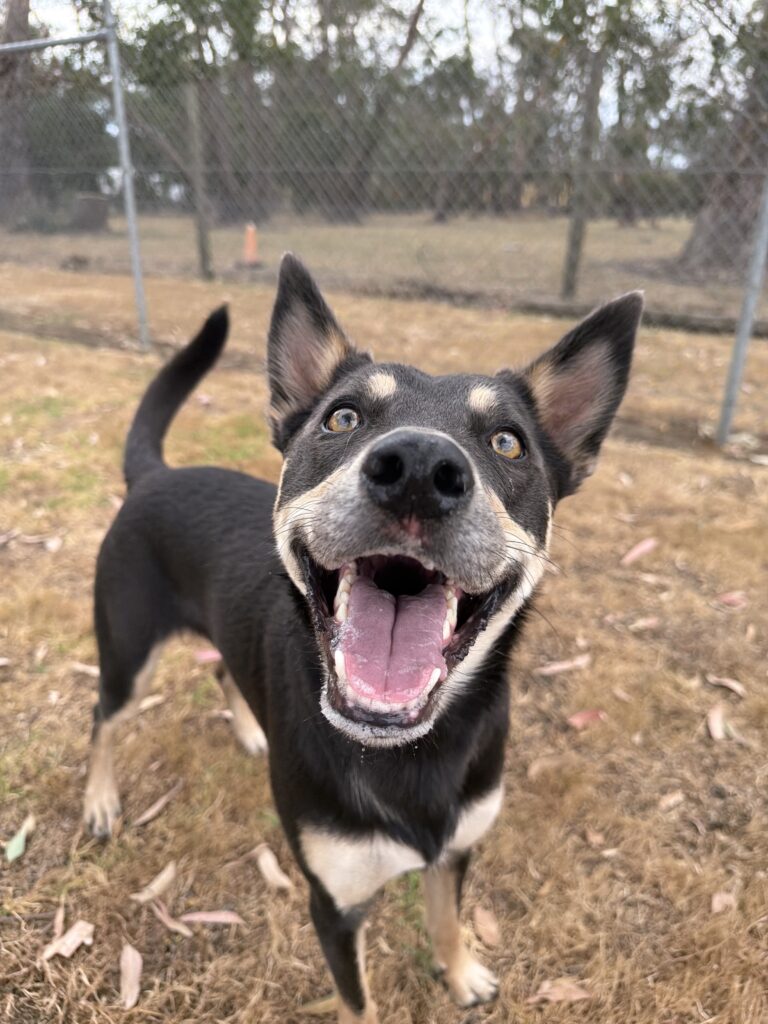
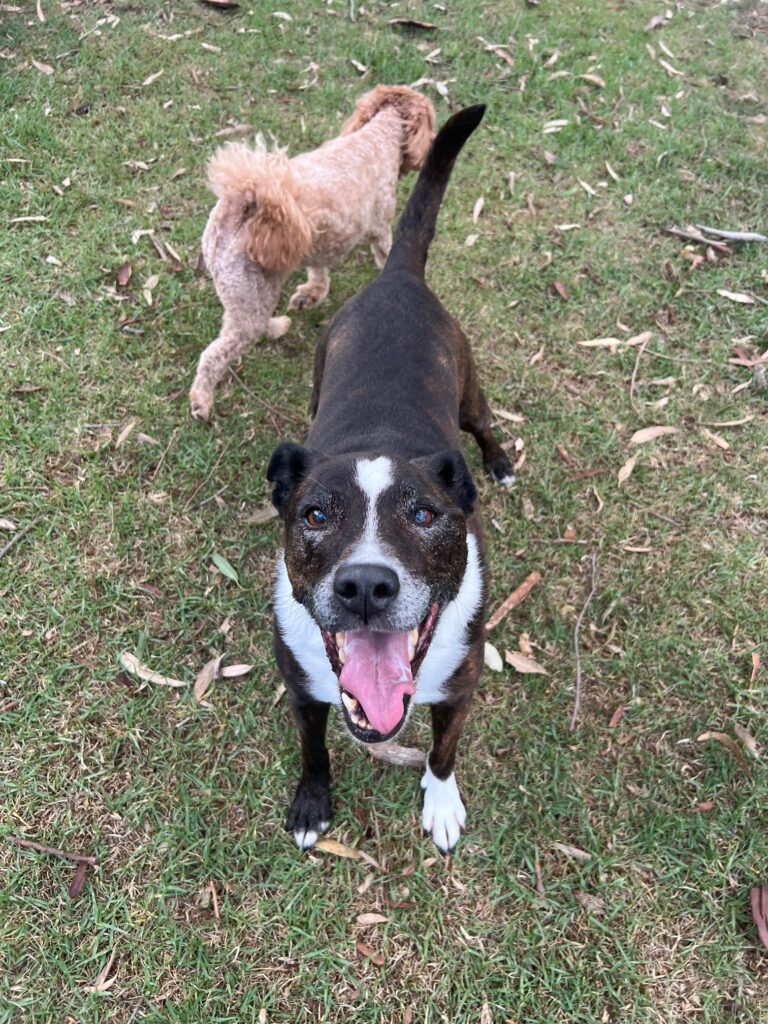
Be sure to check out our other great Dog Health blogs here - for other great tips on how to keep your dog the happiest and healthiest they can be!

We love to see your happy dogs, don't forget to share them with us at our socials below!
👇👇👇

📘 Facebook | 📸 Instagram

