
What are the first signs of Bloat in a Dog? What is bloat in Dogs? How can I save my dog from bloat?
We have you covered with all the information you need and more
What is Bloat?
Bloat is when gas and/or food stretches the stomach many times its normal size and the stomach turns more than 180 degrees on its longitudinal axis, sealing off both the entry and exit from the stomach.
This causes the spleen swells placing pressure on the major vein bringing blood back to the heart from the lower body.
Many damaging events follow including the release of toxins from the dying stomach lining and heart dysfunction. Without immediate care the dog goes into shock and dies. Bloat is an extremely serious condition, and should be considered a life-threatening emergency when it occurs.
What causes Bloat?
Sadly, the exact cause of Bloat is still unknown. even after extensive testing in controlled situations, Bloat does not occur consistently in the same simulations.
It does however, seem to appear that it occurs as a combination of events. There are many theories about the cause of Bloat from Veterinarians.
Factors may include feeding large meals of dry food followed by exercise, abrupt changes in diet, drinking a large amount of water after eating, and fast gulping of food. Other causes have been suggested but nothing has been proven.
What Dogs can Bloat?
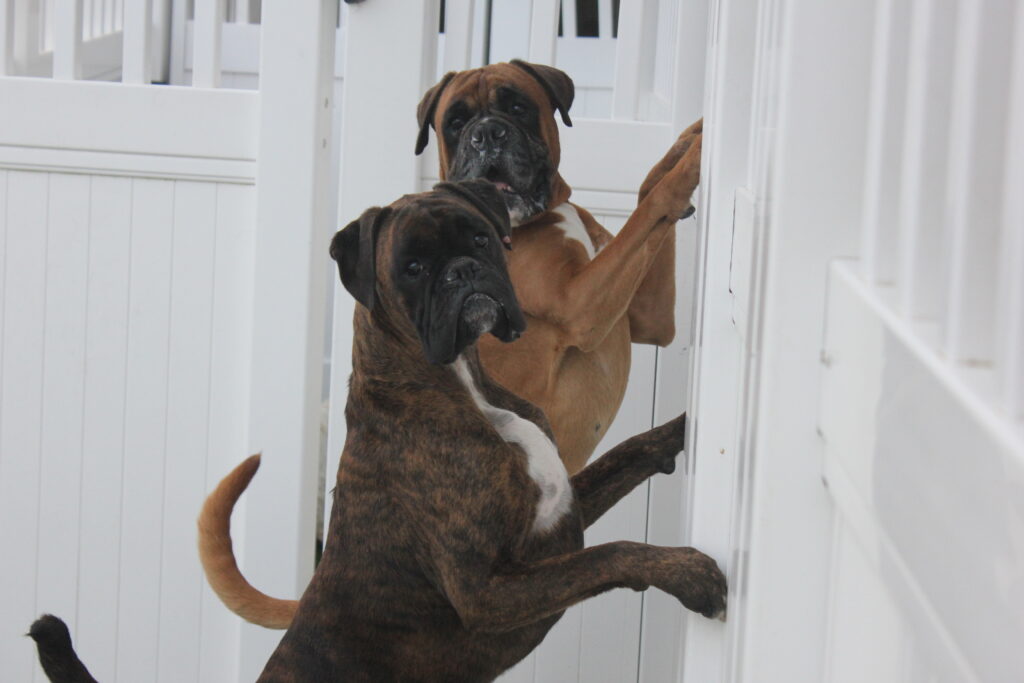
Whilst technically, any dog can suffer from bloat, there are some breeds that are higher at risk. These are larger breed dogs with broad chests, such as Boxers, Great Danes, St Bernard’s, Weimaraner’s, German Shepherds, Pointers and Rottweilers.
Symptoms, Treatment and Signs of Bloat in a Dog.
The most obvious signs are abdominal distention (swollen, hard belly) and non-productive vomiting (animal appears to be vomiting, but nothing comes up) and retching. The stomach and abdomen will be distended and hard to the touch. This distension is first apparent on the left hind side of the abdomen Other signs include restlessness (pacing & panting), abdominal pain, and rapid shallow breathing. Profuse drooling may indicate severe pain.
If the dog’s condition continues to deteriorate the dog may go into shock and become pale (check gum colour), have a weak pulse, a rapid heart rate, become lethargic and eventually collapse.
There are no home remedies to treat bloat, your dog needs to be seen by a vet as soon as possible. Bloat is an emergency situation. Your dog will be assessed by the vet to establish what stage of bloat they are in and if a tube can be used to remove the gas from the stomach or if surgery is needed.
For more information, download our bloat information brochure HERE!

We suggest that all dog owners with a high risk breed of bloat to keep this information on hand and make sure that everyone in the household is educated on the first signs of bloat in a dog.

